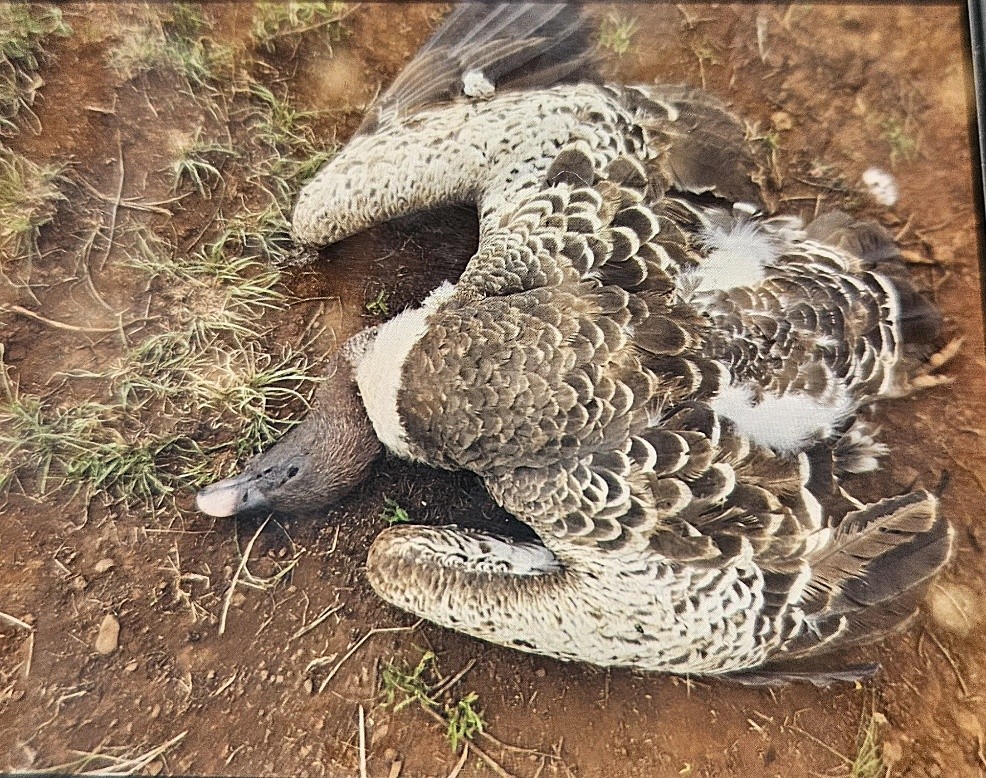
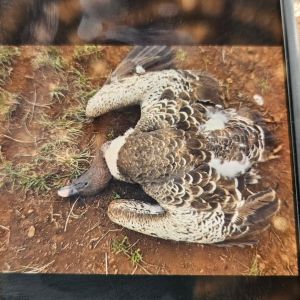
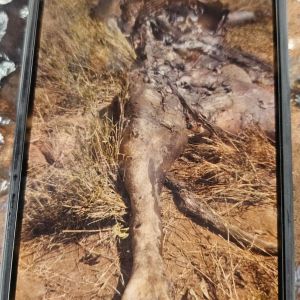
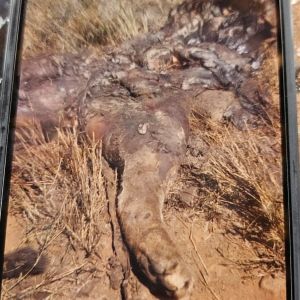
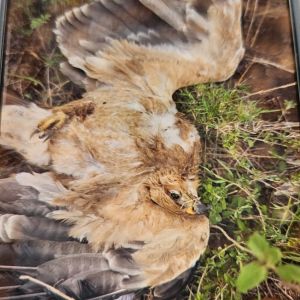
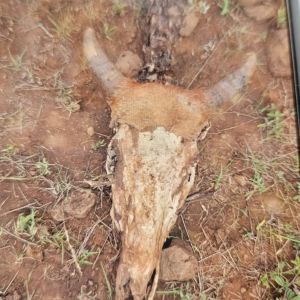
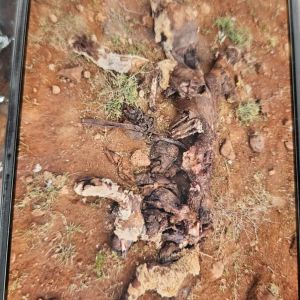
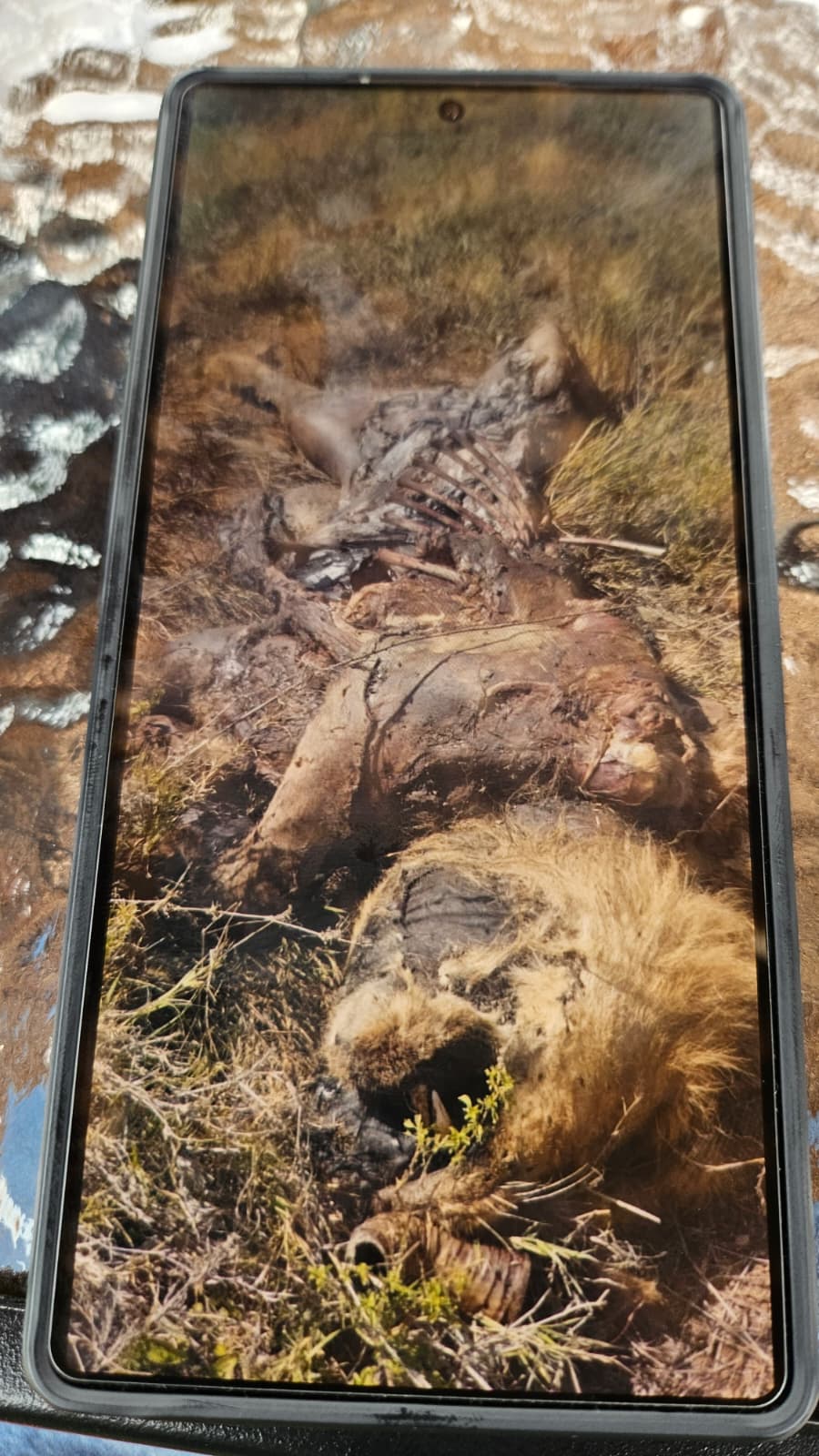
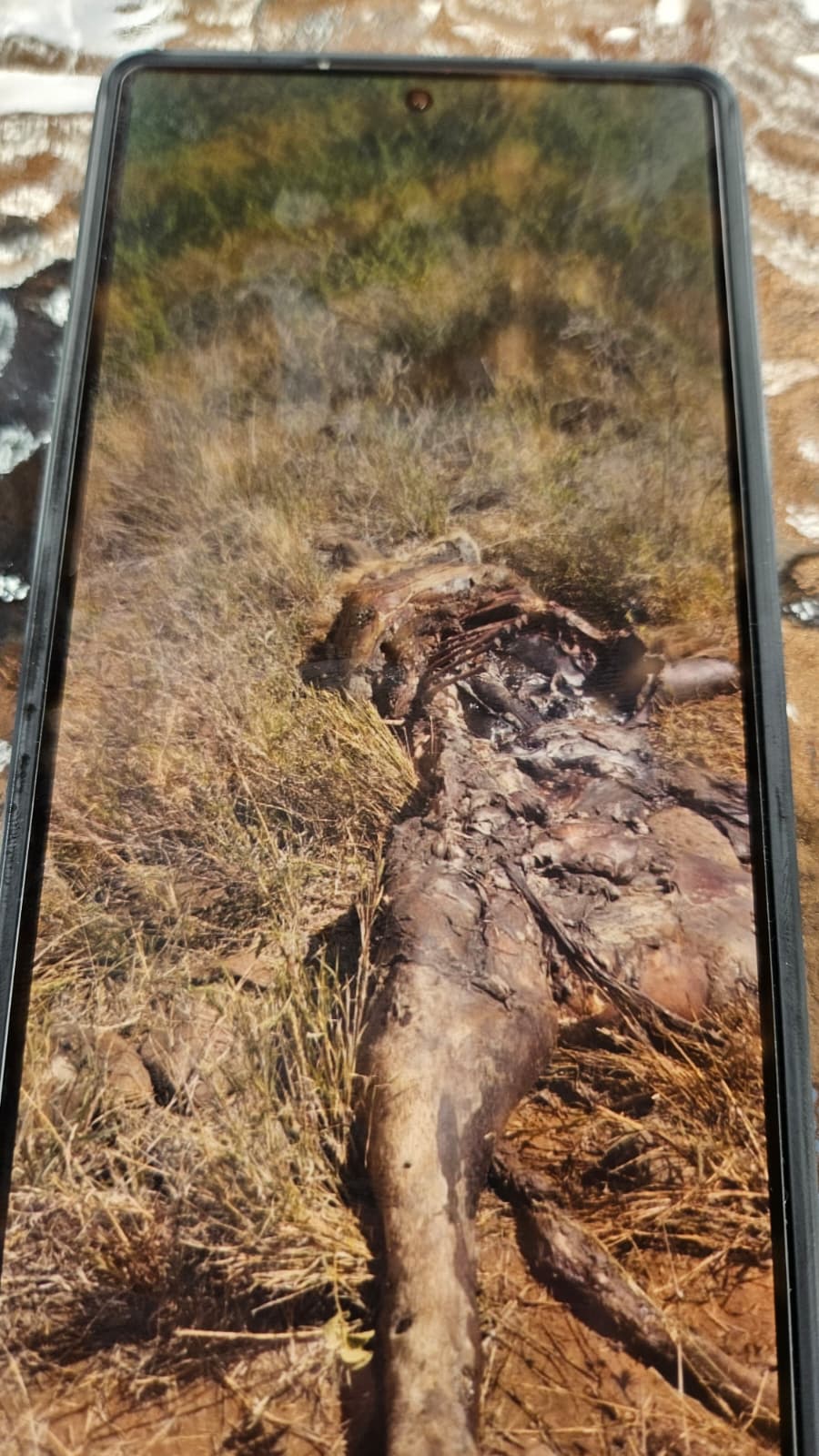
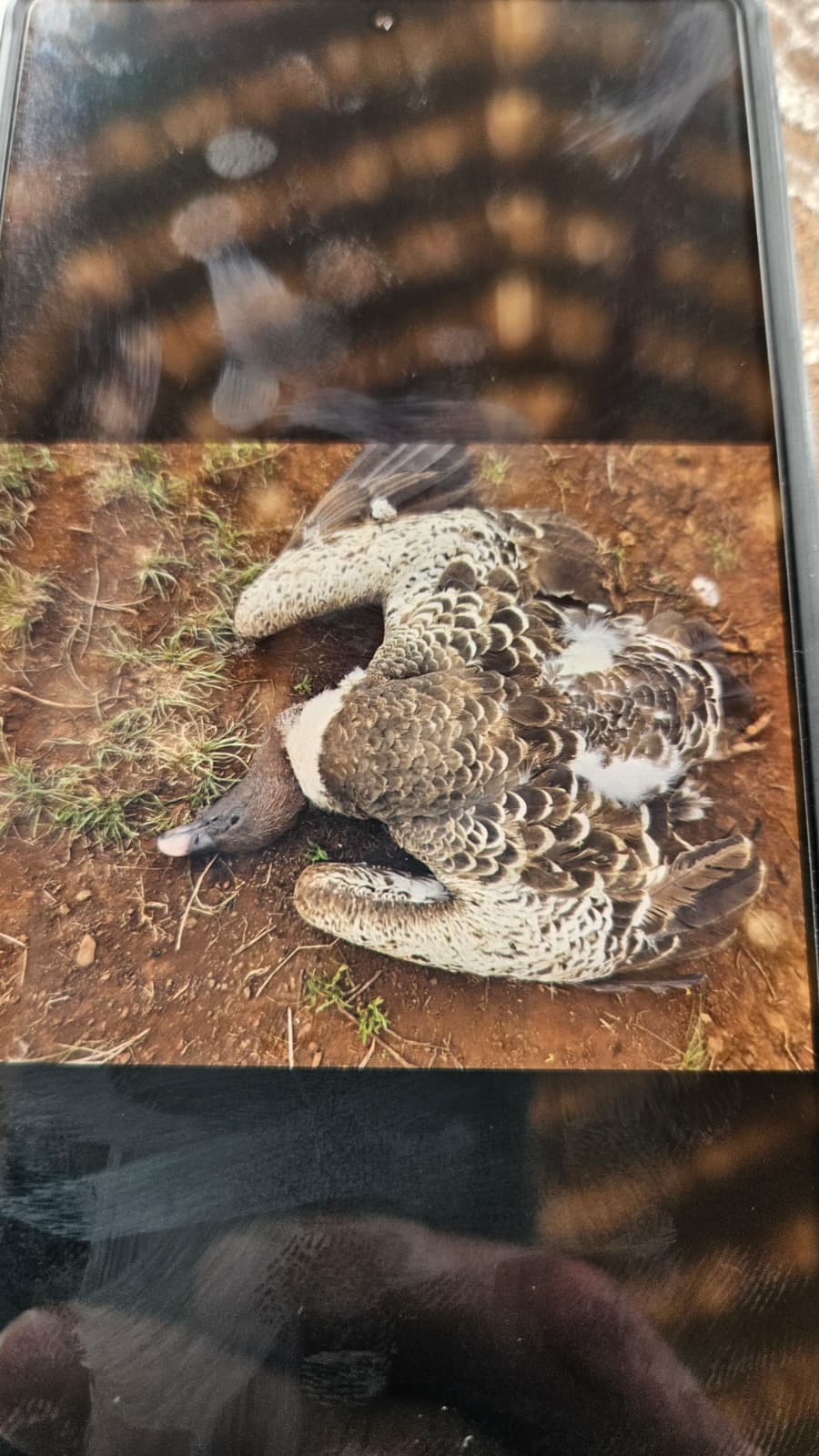
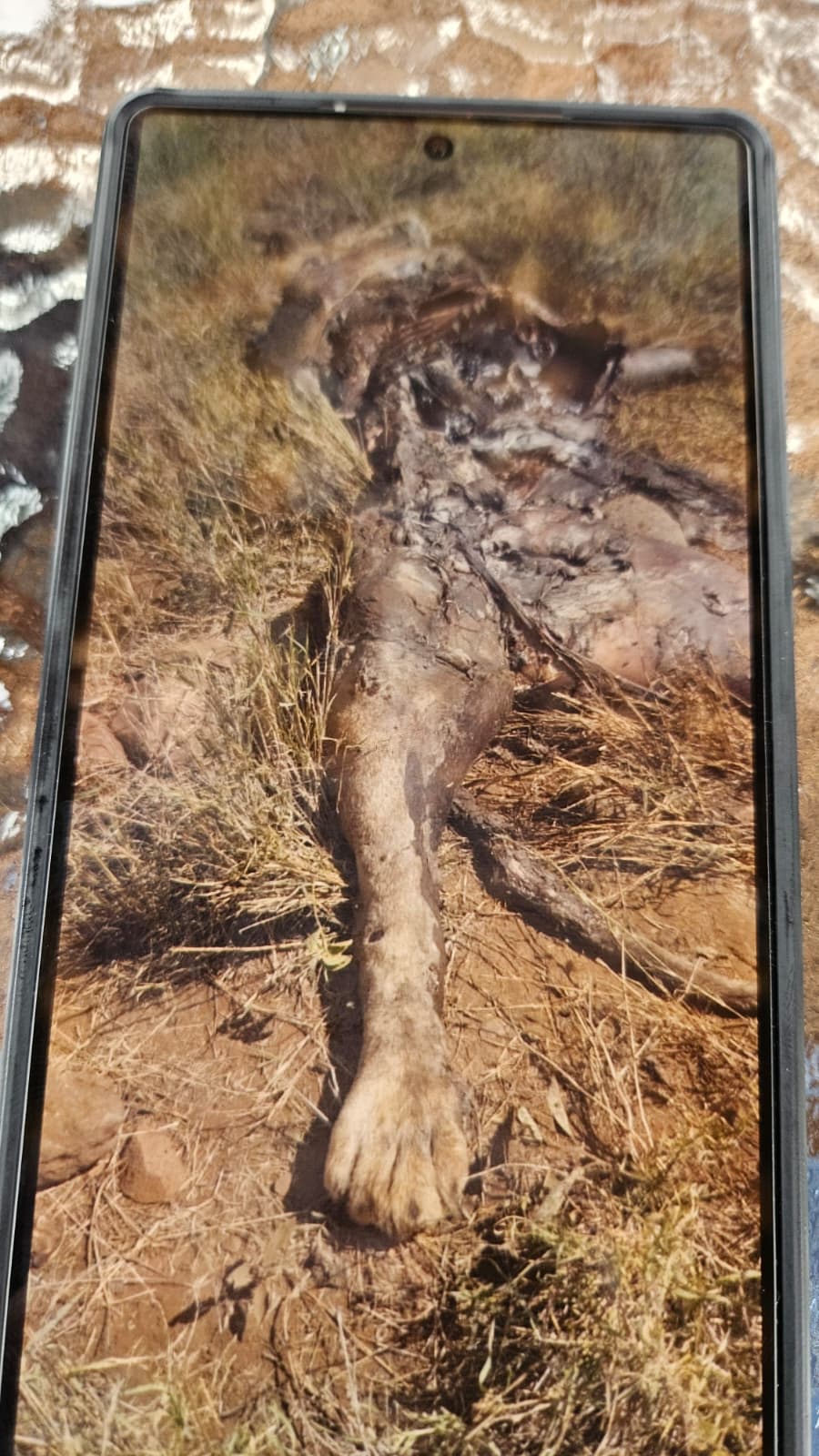
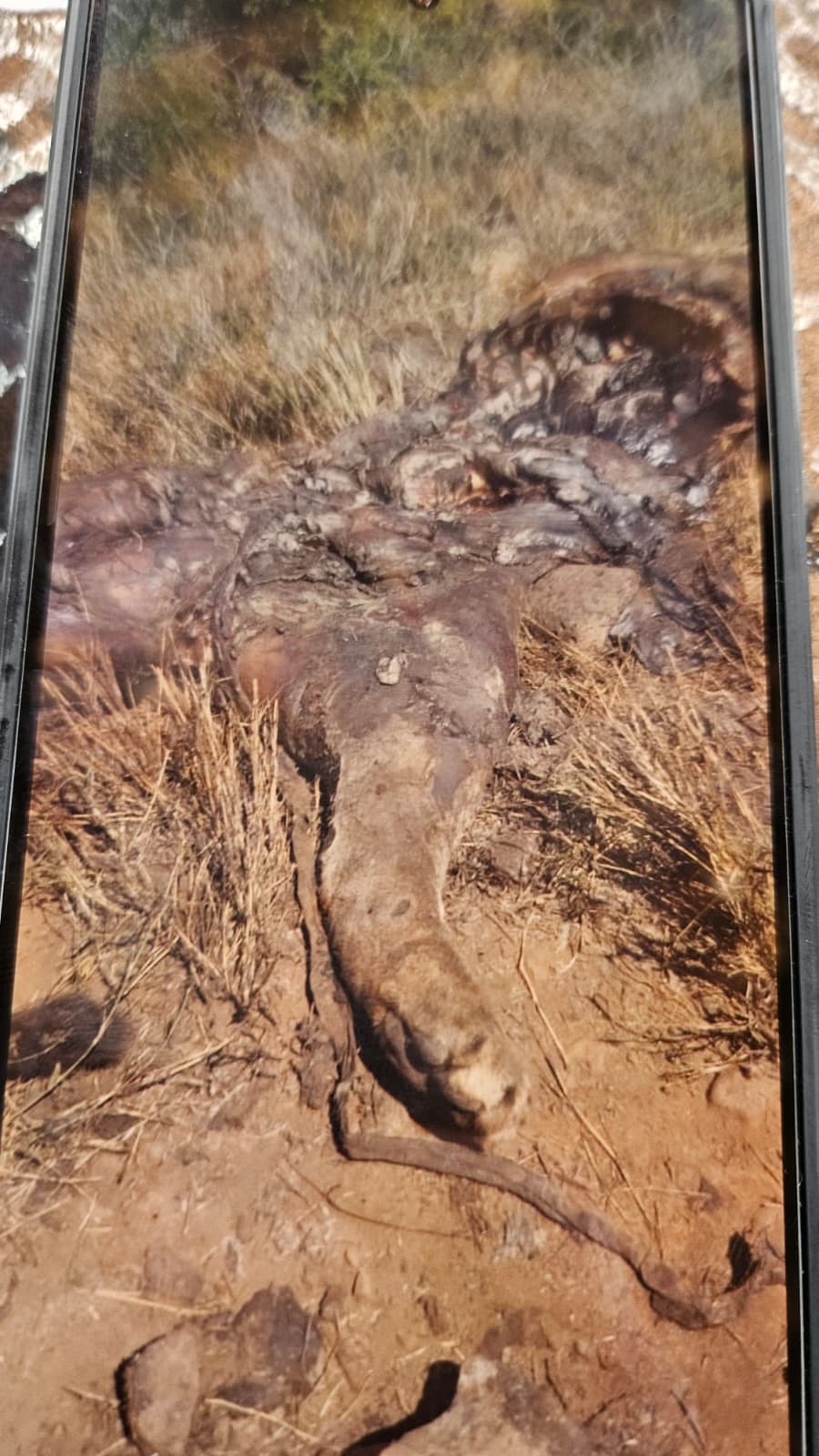
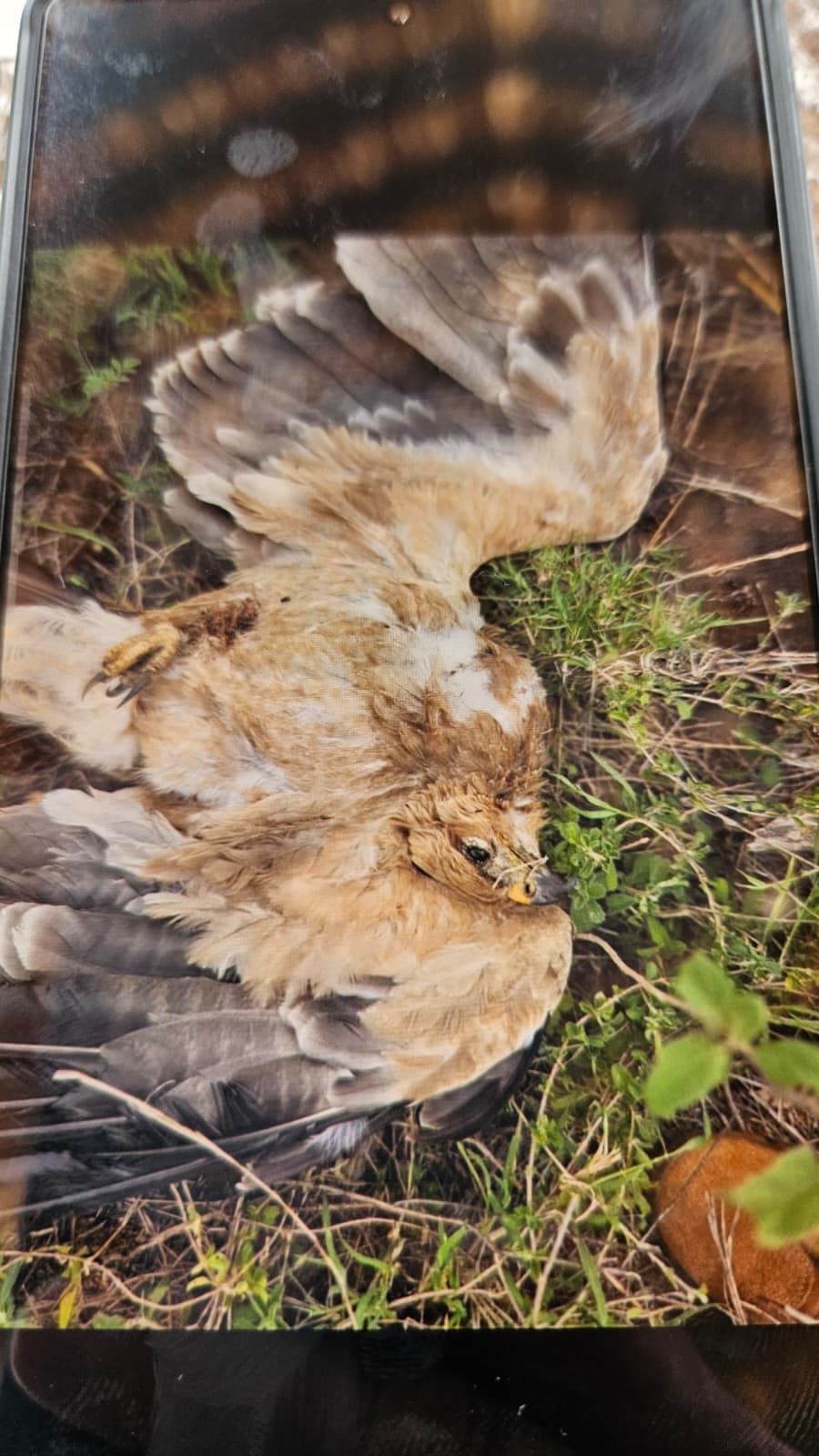
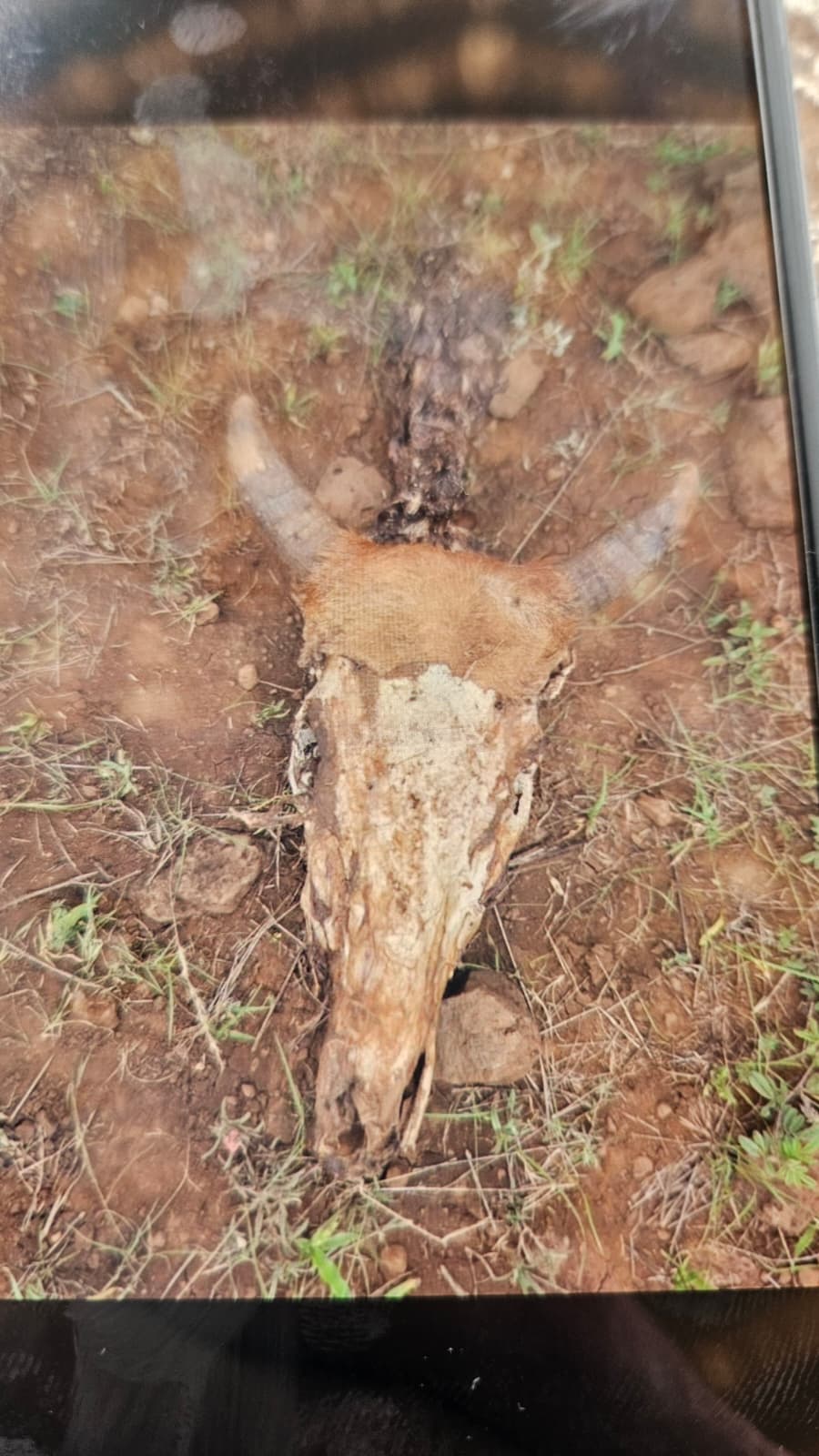
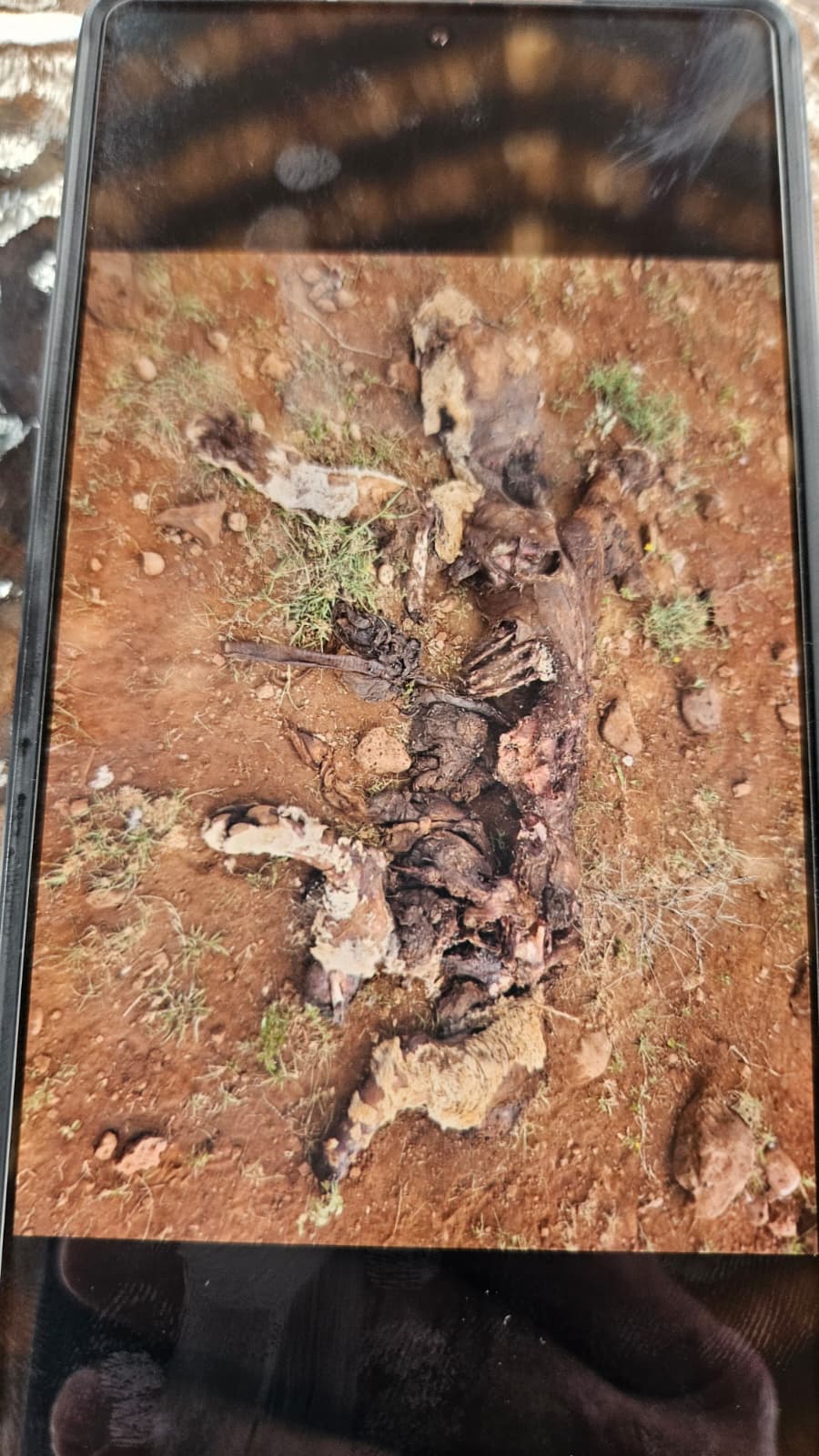
Intentional and unintentional poisoning of vultures is Africa is driving most species to extinction in one or more countries. It is a preventable crisis that is already having widespread impacts. Despite some progress in vulture conservation in Europe and Asia, progress has been slower in Africa but many in government, NGOs, and the private sector are ready to move forward. Recent legislation in Tanzania offers an opportunity to address a major part of the African Vulture Crises (AVC), intentional and unintentional poisoning with toxic substances.
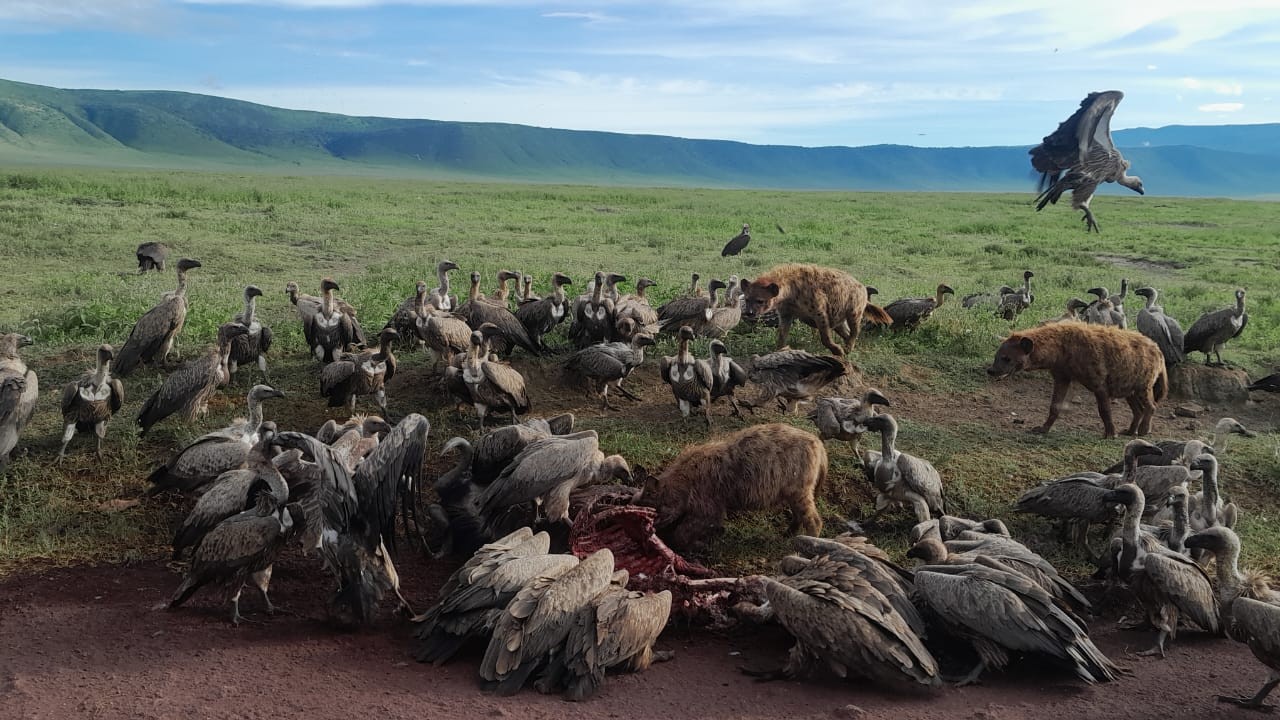
1. Vultures and Hyena. Serengeti NP, Tanzania (Image D. Ringo)
Avian Scavengers at Risk
“Avian scavengers in general and vultures in particular are major victims of deliberate poisoning, either intentionally (e.g., belief-based use or to eliminate sentinel species) or unintentionally (e.g., secondary poisoning due to the ingestion of bait targeting livestock predators).
Poisoning is a major threat affecting both Old World and New World vultures but remains particularly critical in Asia and Africa. In Africa, populations of eight species have declined on average by 62% during the past decades mainly due to poisoning and trade in traditional medicines, which together accounted for ~90% of reported deaths.
The behavioral strategies of vultures – notably the accumulation of large numbers of birds at carcasses – often result in catastrophically large numbers of victims in a single poisoning event. Large-scale mortality events have been frequent in past decades, including several that occurred in Africa. In a shorter timescale (from late 2017 to September 2019), >1,300 vultures were poisoned in southern Africa (Mozambique, South Africa, Botswana, Zambia, Namibia, Tanzania, and Kenya).”
(From: Oliva-Vidal, P. 2022. Avian scavengers in a changing world: a multidisciplinary conservation approach in the Pyrenees. PhD Thesis. Universitat de Lleida, Spain.)
Why Now & Why Vultures?
Most Old World Vultures are declining and faced with local extirpation in many locations. Highly hazardous pesticides are being used to poison wildlife, including vultures.
Loss of avian scavengers in Tanzania and throughout Africa is a One Health issue because of the critical waste disposal role played by vultures and other avian scavengers across their range.
Tanzania has recently adopted legislation (January 2026) banning a large group of Highly Hazardous Pesticides (HHPs). Many of these pose serious risks to wildlife, ecosystems and people with several used preferentially for wildlife poaching or human/wildlife conflict resolution (e.g. carbofuran).
Tanzania’s recent ban provides a useful starting point for initiatives to address the various threats to vultures in Tanzania and throughout East Africa, including the use of HHPs to poison them both directly and indirectly. This workshop will start the process of developing interventions with a high likelihood of success to remove HHPs as a risk to vultures.
Technical Report
Vulture Conservation and One Health
This technical report examines the links between vulture conservation, wildlife poisoning, pesticide exposure, ecosystem health and public health through a One Health perspective. It highlights key challenges, evidence and priority actions for strengthening conservation, surveillance, policy and multi-sectoral coordination in Tanzania.