

ATEHA is committed to advancing environmental health through research, innovation, policy engagement, and community-based interventions that address the interconnected challenges of environmental pollution, chemical exposure, climate change, and public health. Our work focuses on understanding and reducing environmental health risks while strengthening the resilience of communities and health systems.
Through multidisciplinary approaches, ATEHA implements projects that address chemical safety, pesticide poisoning prevention, occupational health and safety, environmentally induced diseases, climate-sensitive health risks, and One Health approaches that integrate human, animal, and environmental well-being. By leveraging scientific research, digital technologies, surveillance systems, risk mapping, capacity building, and stakeholder collaboration, we generate evidence and practical solutions that support informed decision-making and sustainable development.
ATEHA works closely with government institutions, academic and research organizations, development partners, and local communities to promote healthier environments, prevent disease, and strengthen environmental health governance at local, national, and regional levels.
Below are some of the environmental health projects implemented and conducted by ATEHA, demonstrating our commitment to protecting public health, reducing environmental risks, and fostering sustainable and resilient communities.
1. Capacity Building on safe Pesticide Use
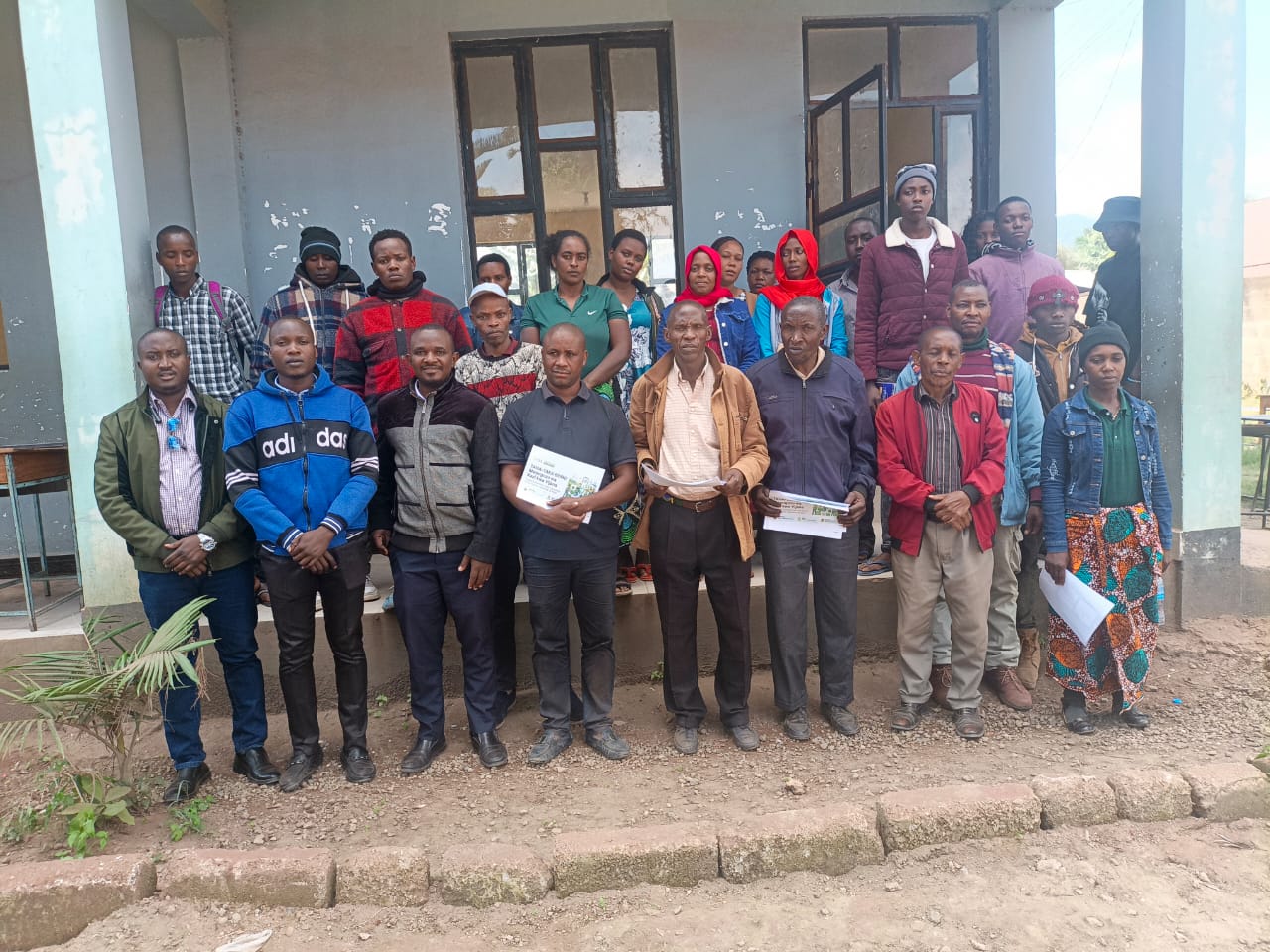
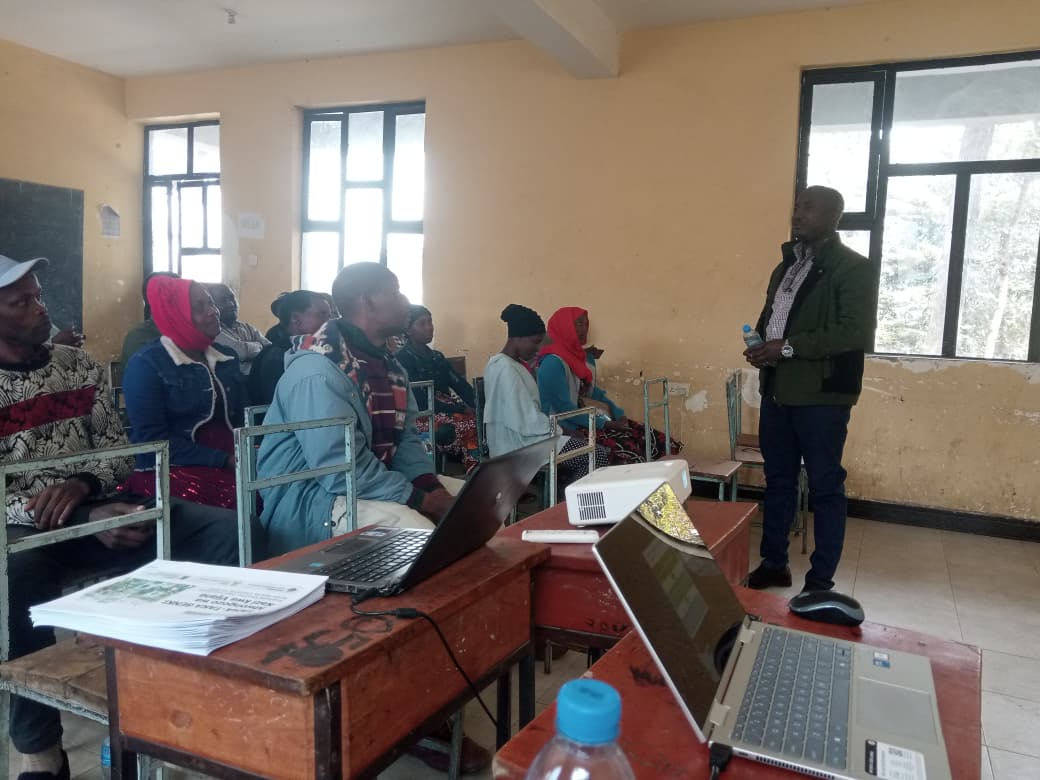
ATEHA continues to empower small-scale farmers through awareness and capacity-building initiatives on the safe use of pesticides. These training sessions promote responsible pesticide handling, proper application, safe storage, and environmentally sound disposal practices to protect human health, improve food safety, and reduce environmental pollution. By working closely with farming communities, we are supporting the adoption of sustainable agricultural practices that contribute to healthier livelihoods and a cleaner environment.
2. Wristband-Based Environmental Exposure Assessment
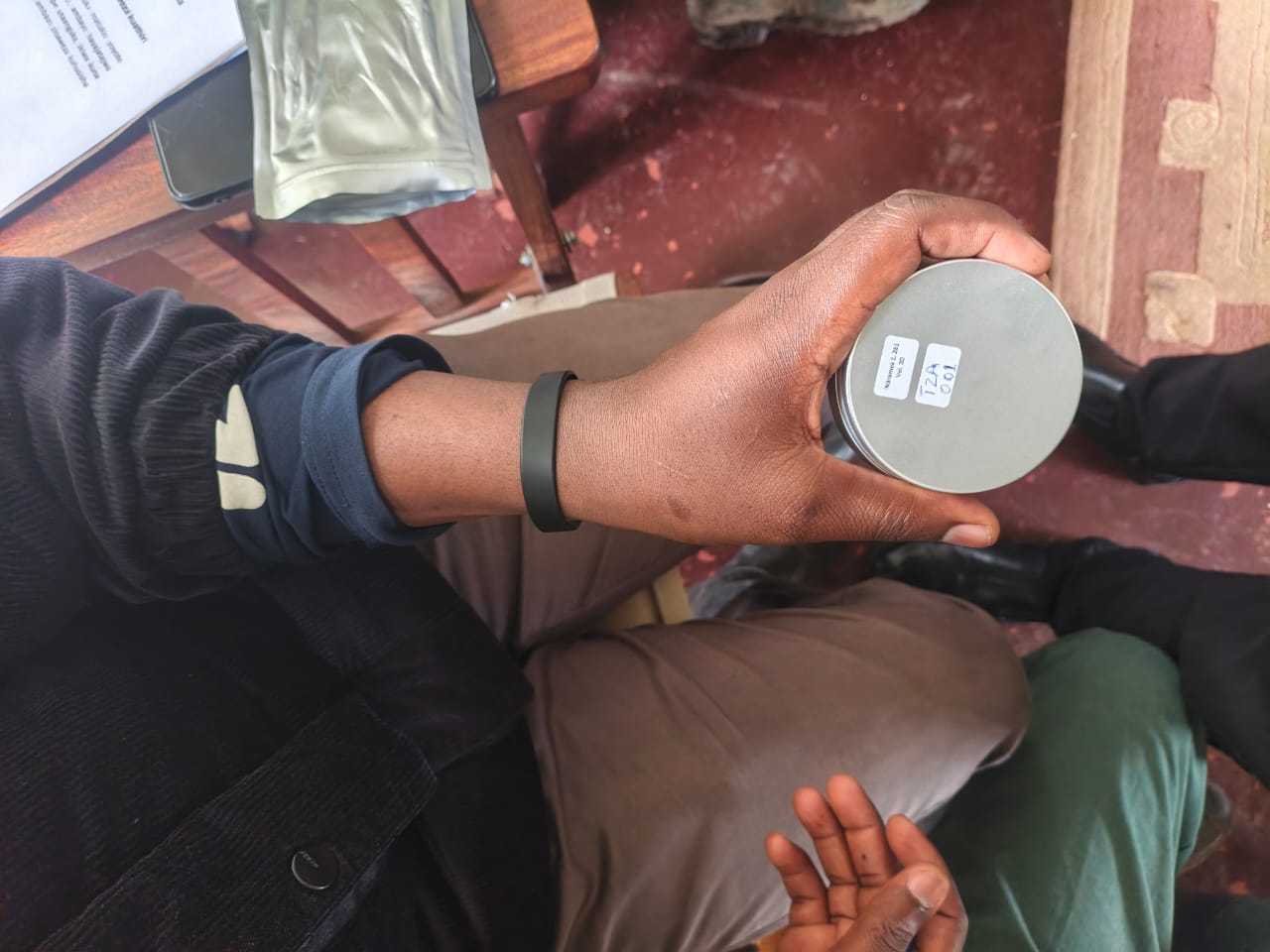
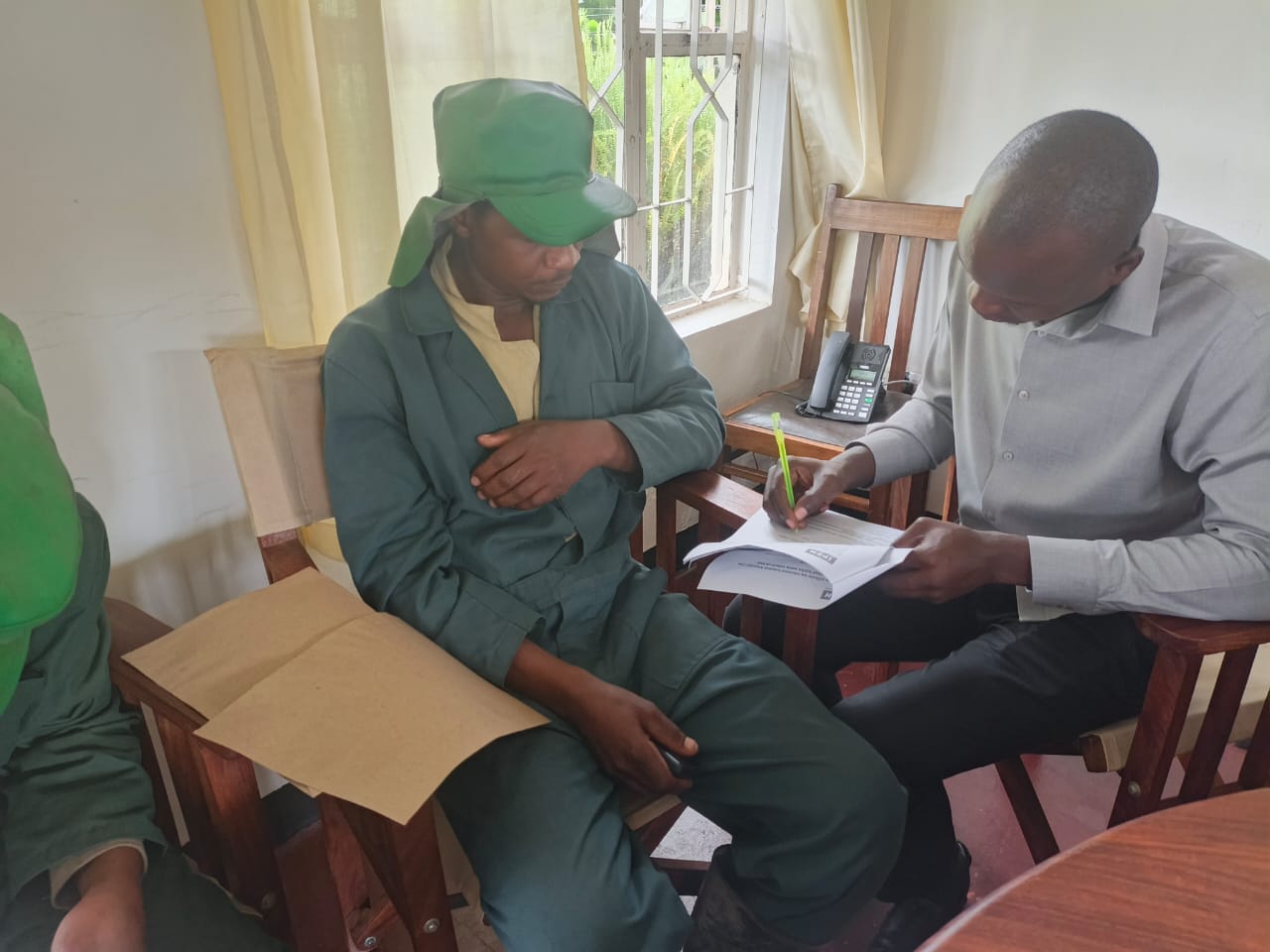
ATEHA is committed to advancing environmental health through community-based research and innovation. Our Environmental Officers work closely with participants to collect high-quality environmental exposure data, helping to improve our understanding of how environmental factors affect human health and providing evidence to guide effective public health and environmental protection initiatives. As part of this work, participants wear specially prepared silicone wristbands that function as passive personal exposure samplers. Similar to how a sponge absorbs water, the wristbands absorb and retain a wide range of environmental chemicals that individuals encounter in their daily lives through the air and surrounding environment. These may include pesticides, polycyclic aromatic hydrocarbons (PAHs), flame retardants, volatile organic compounds (VOCs), and other organic contaminants commonly associated with agricultural, occupational, and everyday environments. After the monitoring period, the wristbands are analyzed in the laboratory to identify and measure the chemicals they have collected. This non-invasive approach provides valuable insights into an individual's cumulative environmental exposures, enabling researchers to better understand exposure patterns, assess potential health risks, and develop evidence-based strategies to reduce harmful environmental exposures and promote healthier communities.


3. Gender Dimensions of Chemical Exposure in Tanzania
Assessing and addressing gender-specific vulnerabilities to chemical exposure among farmers, pesticide retailers, and households. The project integrates gender-responsive risk communication, occupational safety interventions, and policy recommendations aligned with international frameworks, including those of the World Health Organization (WHO).
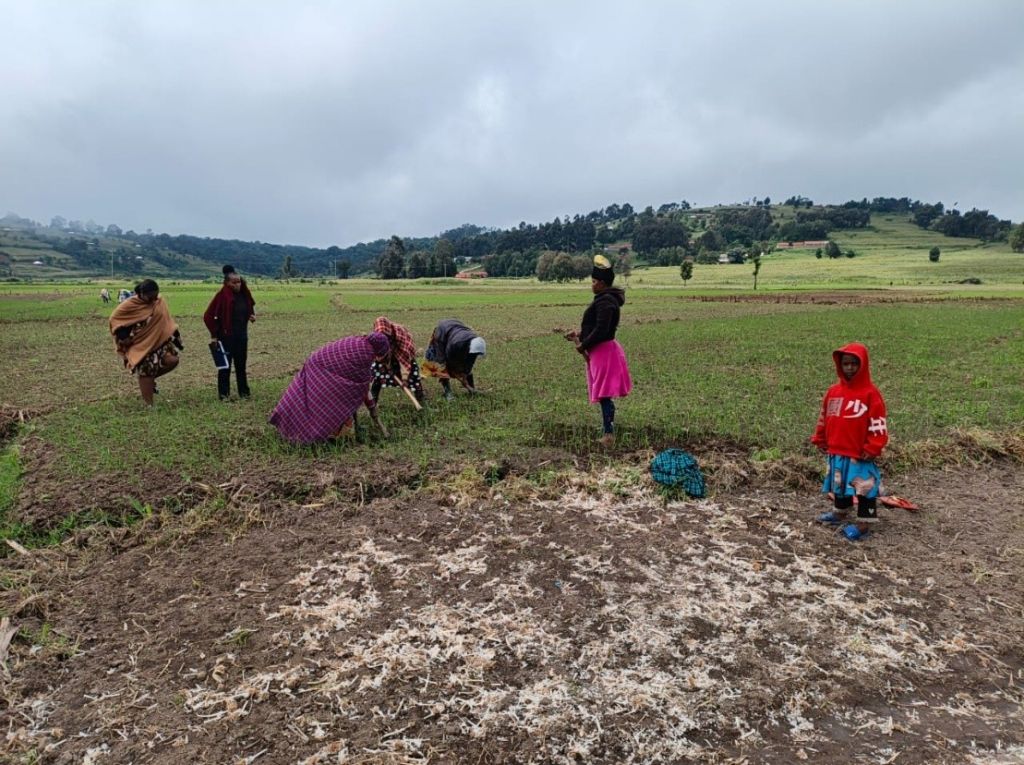
4.Prevention of Environmentally Induced Chronic Diseases
Investigating the links between environmental pollutants, including pesticides, heavy metals, and air pollution, and chronic health conditions such as cancer, neurological disorders, and respiratory diseases. The project combines epidemiological research, community awareness initiatives, and policy advocacy.
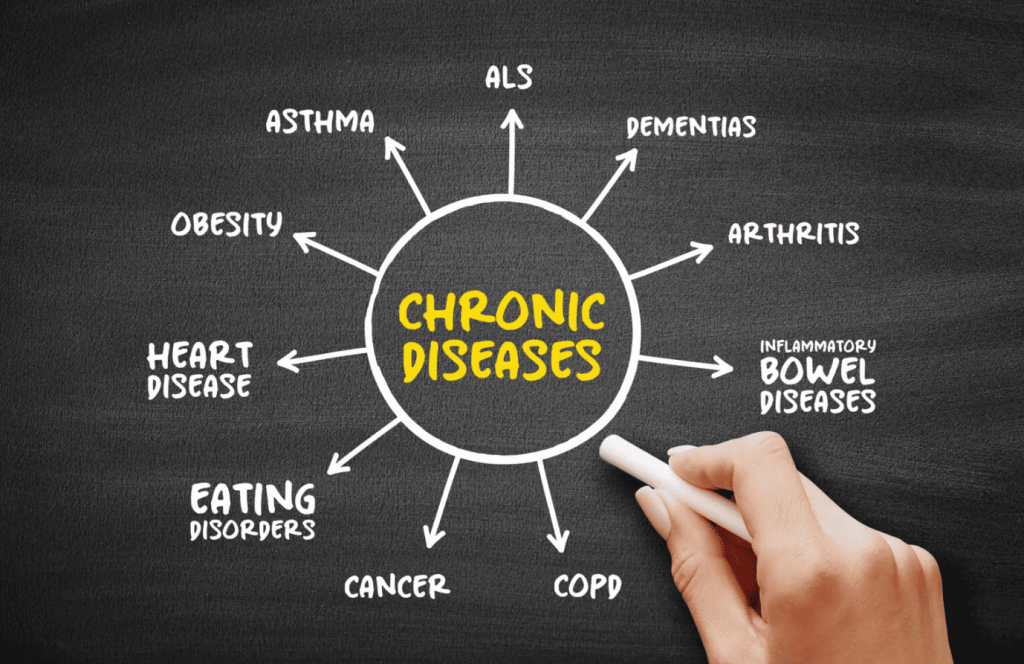
5. National Pesticide Poisoning Surveillance System
Establishing a harmonized, multi-sectoral surveillance system that connects health facilities, regulatory authorities, and forensic services to monitor pesticide poisoning incidents and support evidence-based policy and response measures.

6. Environmental Health Risk Mapping Using GIS and Digital Tools
Developing spatial risk maps to identify chemical exposure pathways, pollution hotspots, and vulnerable populations, enabling targeted interventions and informed decision-making.


7. Occupational Health and Safety for Agricultural Workers
Enhancing workplace safety among pesticide applicators and agricultural workers through training, improved access to personal protective equipment (PPE), and behavioral change interventions that promote safer agricultural practices.
8. One Health Approach to Chemical and Environmental Risks
Applying an integrated One Health framework that brings together human, animal, and environmental health perspectives to address risks associated with pesticides, zoonotic diseases, and ecosystem degradation.
9. Climate-Related Disease Surveillance and Early Warning Systems
Strengthening the monitoring and prediction of climate-sensitive diseases through surveillance systems and early warning mechanisms that support timely public health responses and community preparedness.
10. Heat Stress and Occupational Health Program
Addressing the health impacts of rising temperatures on workers, particularly in agriculture and other outdoor sectors, through research, awareness campaigns, risk reduction measures, and adaptation strategies.
11. One Health Approach to Climate and Emerging Diseases
Promoting integrated approaches to understanding and managing the impacts of climate change on human, animal, and environmental health, with a focus on emerging and re-emerging diseases.