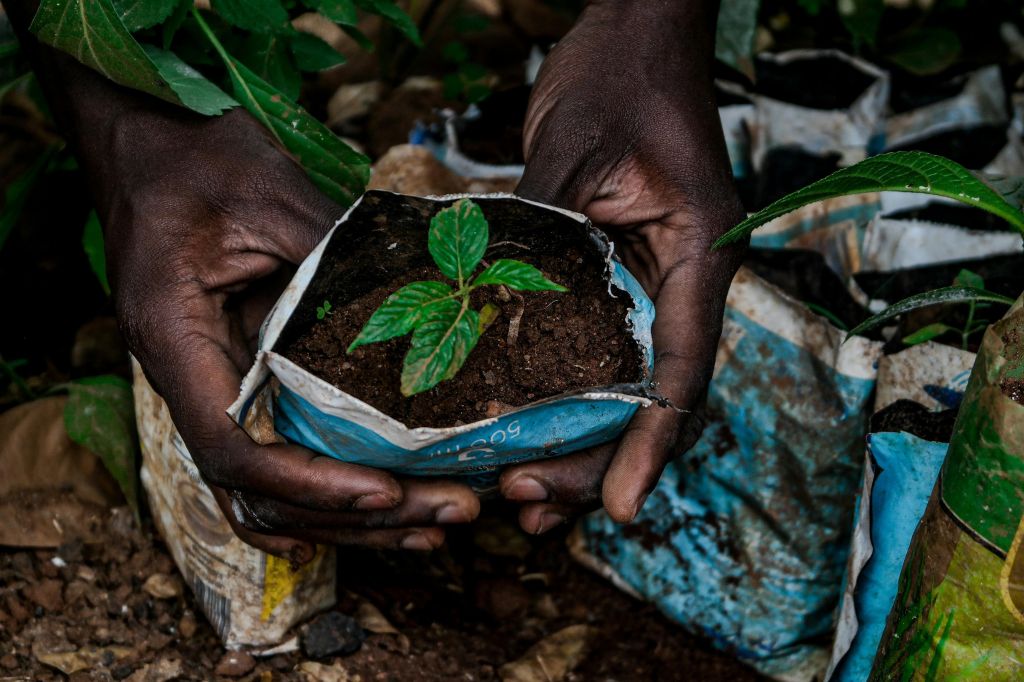

ATEHA is committed to advancing sustainable environmental and climate solutions through community-driven initiatives, innovation, and strategic partnerships. Our projects focus on climate resilience, environmental conservation, sustainable livelihoods, renewable energy, biodiversity protection, and community empowerment.
Through collaborative action, ATEHA works with local communities, institutions, and development partners to address climate change challenges while promoting sustainable development and environmental stewardship. We believe that lasting impact is achieved by combining knowledge, innovation, and inclusive participation to create healthier ecosystems and resilient communities for future generations.
We welcome partnerships and collaboration with organizations, stakeholders, and individuals who share our vision for a sustainable and climate-resilient future.
Below are some of the environmental and climate projects implemented and conducted by ATEHA, reflecting our commitment to sustainable development, community resilience, and environmental conservation.
1. Integrated Water Pollution Control in Lake Burunge
Implementing community-based and scientific interventions to reduce agricultural runoff, pesticide residues, and industrial pollutants affecting Lake Burunge. The project combines water quality monitoring, ecosystem restoration, and local governance strengthening to protect biodiversity and livelihoods.
2. Climate Change and Pesticide Risk Dynamics
Assessing how climate variability (temperature, rainfall patterns) influences pesticide use, pest outbreaks, and human exposure risks. The project supports climate-resilient agricultural practices and safer alternatives.
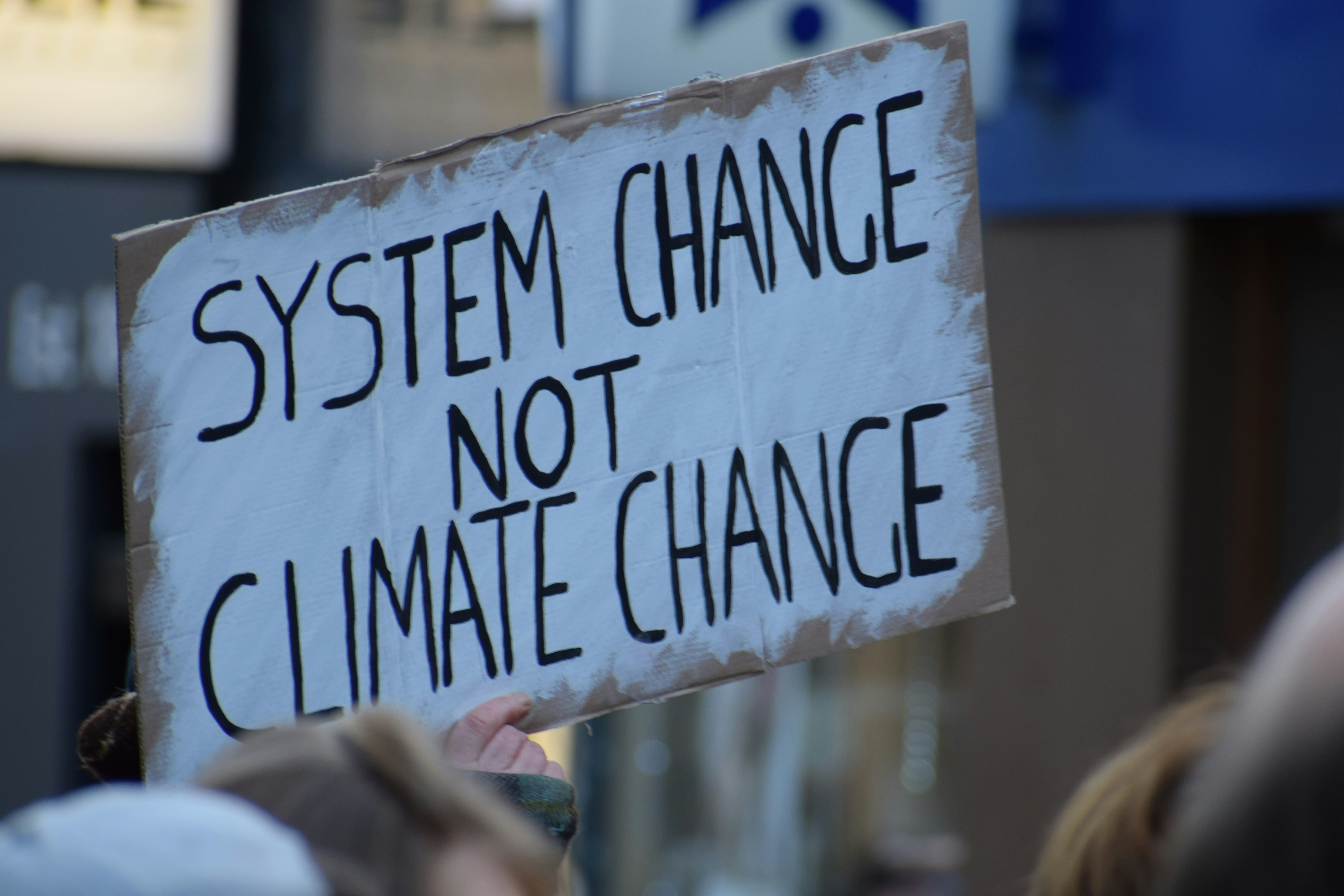
3. Air Quality Monitoring and Health Impact Assessment in Urban Tanzania
Deploying low-cost sensors to monitor PM2.5 and air pollutants in cities like Dar es Salaam, linking data to public health outcomes and supporting national air quality policy development
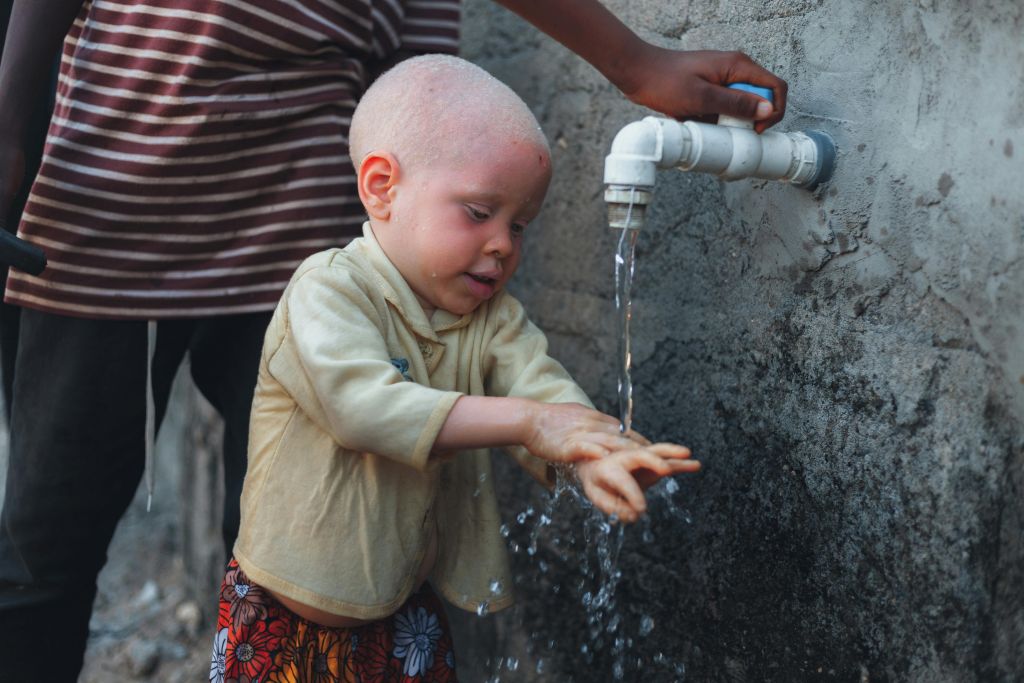
4. Climate Change and Water Safety Program
Addressing increased risks of water contamination and waterborne diseases due to flooding and drought.
Key activities:
• Water quality monitoring in vulnerable communities
• Promote climate-resilient sanitation systems
• Community awareness on safe water practices
5. Climate-Smart Agriculture and Health Protection
Reducing health risks associated with changing pesticide use patterns due to climate change.
Key activities:
• Promote integrated pest management (IPM)
• Train farmers on safe pesticide use under changing climates
• Introduce biopesticides and safer alternatives
6. Nature-Based Solutions for Health and Climate
Promoting ecosystem restoration to improve health outcomes.
Key activities:
• Reforestation and watershed protection
• Urban green spaces for air quality improvement
• Wetland restoration for water purification